Canning Pantry: Recipes & Preparations
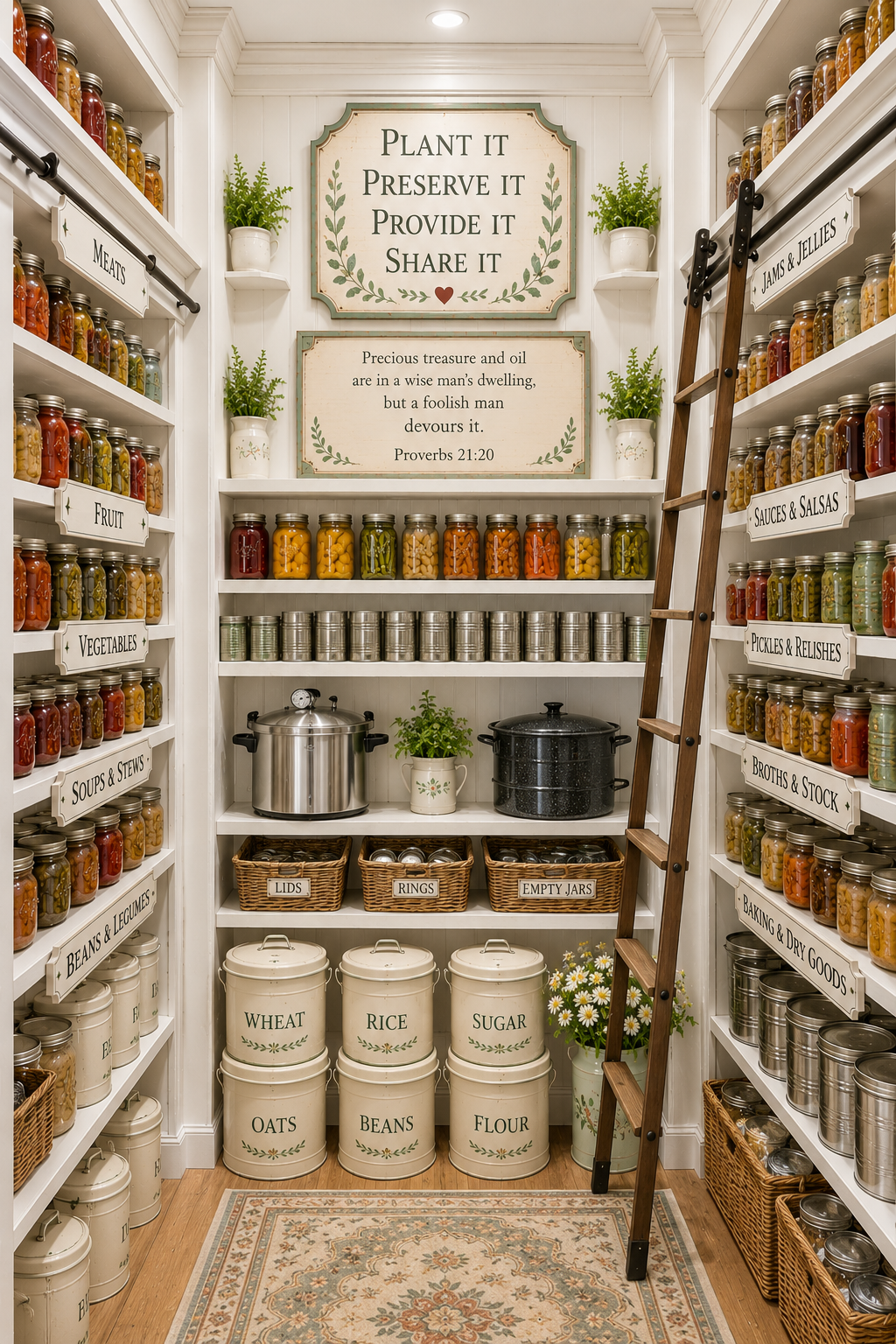
Canning Equipment & Trusted Resources
As an Amazon Associate I earn from qualifying purchases.
Successful canning begins with reliable equipment and trustworthy instructions. I’ve gathered helpful resources and practical tools for preparing, processing, and safely storing your harvest. Choose the supplies that fit your canning method, and always follow an up-to-date, tested recipe from a trusted source.
Canner Selection Note: Materials and Glass Cooktops
I personally and very carefully use a traditional Granite Ware water-bath canner and an aluminum Presto pressure canner on my glass cooktop. However, many water-bath canners are not recommended for glass-top stoves, so I have also linked a stainless-steel option designed for compatible glass cooktops. Always verify the exact canner against your stove manufacturer’s instructions before use.
Aluminum canners are generally lighter, less expensive, and quicker to respond to changes in burner heat. Stainless-steel canners are often more expensive and heavier—important considerations both for a glass cooktop and when lifting—but may offer broader cooktop compatibility, depending on the model. Choose according to your stove, physical lifting needs, budget, and the manufacturer’s instructions.
Choosing Canning Jars and Lids
Whether you are just beginning, or adding to your stash of jars, I recommend wide-mouth jars. They are easier to fill, empty, and clean, and their versatility makes them a practical foundation for a home-canning pantry. If you already own regular-mouth jars, by all means use them. Canning is about preserving—we make do with what we have and thank God for His provision.
Although I did not begin with ForJars products, I have come to appreciate their quality—especially their lids. Canning requires considerable time, energy, and resources, so I do not believe it is prudent to place carefully prepared food in jars or under lids of uncertain quality when dependable options are readily available. In my personal experience, I have never had a ForJars lid fail to seal when used according to proper canning procedures.
If you are just beginning, I recommend purchasing jar sets that include lids and rings. Canning jars and undamaged rings may be reused, while flat canning lids are intended for one-time processing. You will therefore need more replacement lids than rings. The links below offer several sets from which to choose.
Choosing the Right Jar Size
Most standard canners hold approximately seven quart jars or eight to nine pint jars. Some pressure canners accommodate two layers of pint or half-pint jars, but only when permitted by the canner’s manufacturer—jars should not be double-stacked for boiling-water canning.
Quart jars are often practical for family-sized meals, while pints work well for vegetables such as green beans. Half-pint jars are commonly used for jams, jellies, and some pickles. Because every tested canning recipe specifies its expected yield and jar size, review the recipe you plan to make before purchasing jars.
Canning jars are often available locally. I have included Amazon links for their nationwide availability and convenient home delivery.